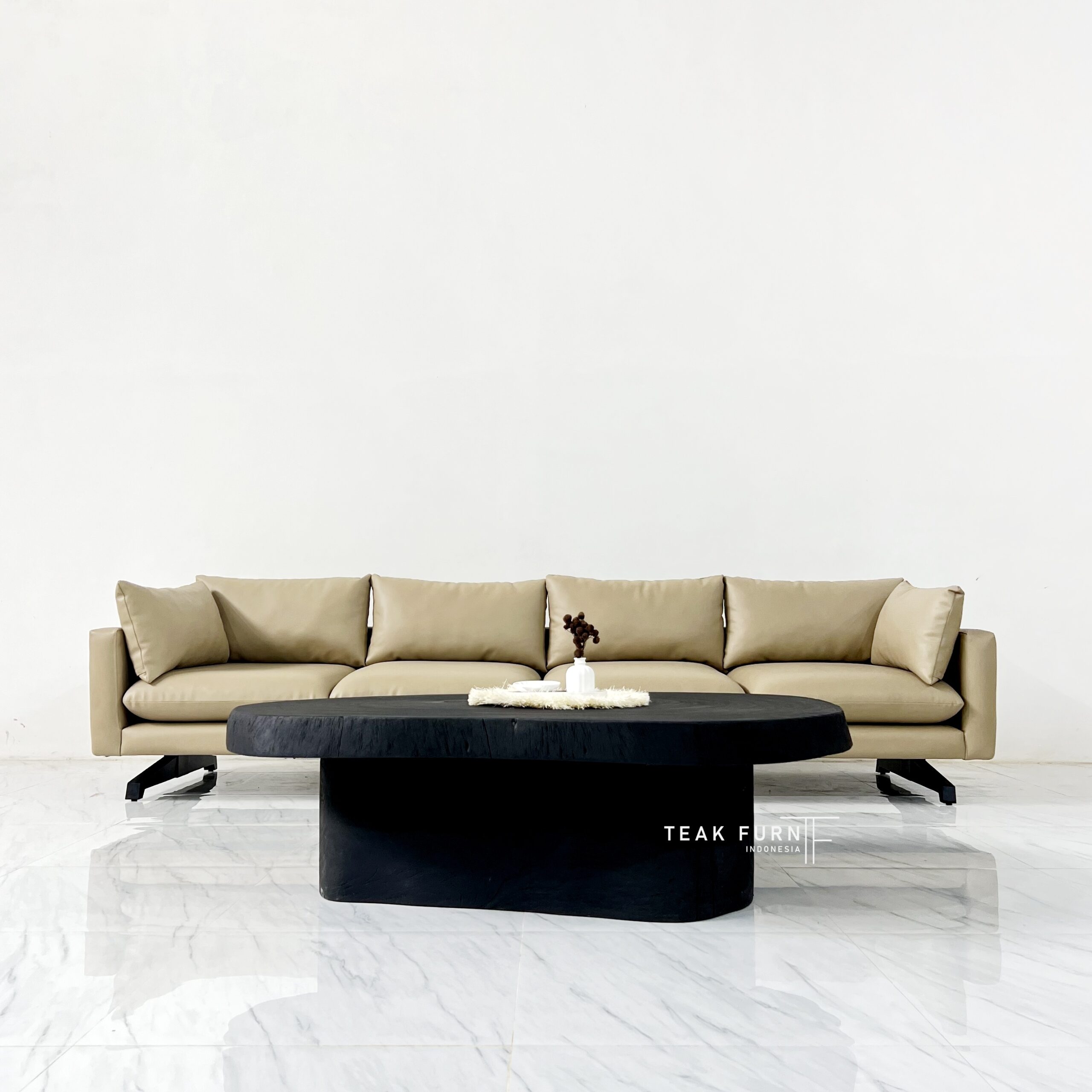
Jepara is renowned as the heart of Indonesia’s furniture production. Known for its rich history of craftsmanship, intricate wood carving, and modern innovation, Jepara has established itself as a global leader in the furniture industry. This article explores how Jepara has become a center of creativity and excellence in furniture production, making significant contributions to both local and global markets.
1. A Rich Tradition of Craftsmanship

Jepara’s furniture industry dates back to the 16th century, with its woodcarving techniques gaining international recognition. The city is known for producing furniture that is not only functional but also artistic, characterized by detailed carvings and a blend of traditional Indonesian styles. Generations of artisans in Jepara have perfected the craft, passing down skills such as wood carving, design, and finishing. Today, Jepara’s artisans are highly skilled, producing both traditional and modern furniture pieces that embody the city’s deep-rooted artistry.
2. World-Class Furniture Production
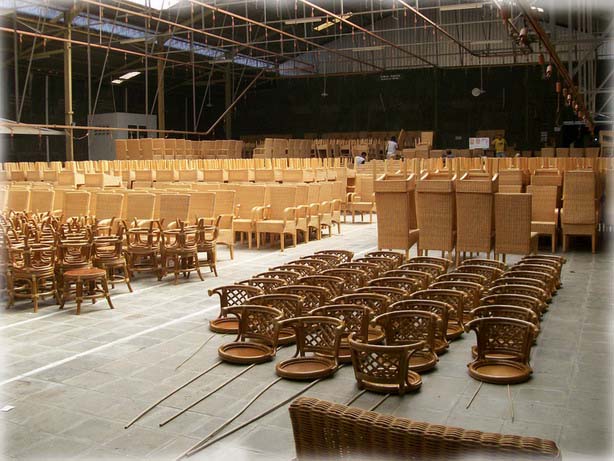
Jepara’s furniture industry is one of the largest in Indonesia, producing a wide range of products, from classic wooden furniture to contemporary designs. The city produces over 70% of Indonesia’s furniture exports, making it a key player in the global market. Jepara’s strategic location, access to raw materials, and skilled labor force have helped it become an ideal hub for furniture production.
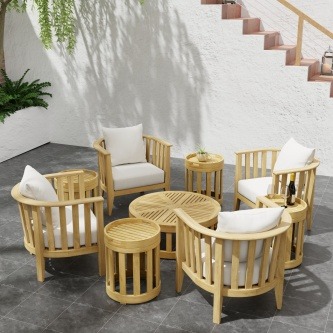
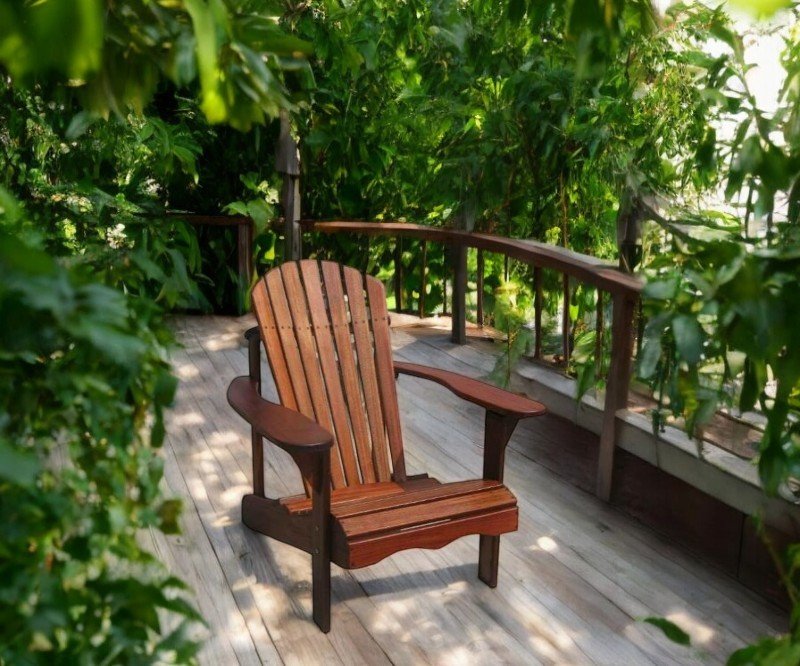
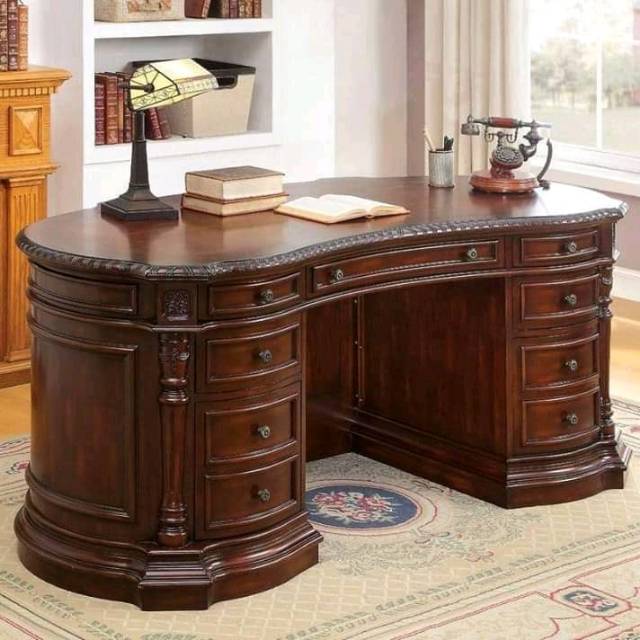
Manufacturers in Jepara cater to diverse markets, producing furniture for residential, office, and outdoor use. Whether it’s intricate antique-style tables or minimalist modern pieces, Jepara’s craftsmen can create customized furniture that meets the specific needs of global customers. The combination of traditional techniques and modern designs makes Jepara furniture highly sought after worldwide.
3. Creativity and Innovation in Design

While Jepara is rooted in traditional woodworking, the city has evolved with the times, embracing new materials and designs. Many furniture makers in Jepara have adopted modern design trends, using materials such as bamboo, reclaimed wood, and eco-friendly finishes. This fusion of traditional artistry with contemporary design has given rise to unique, high-quality pieces that appeal to both domestic and international markets.
Jepara’s artisans are also embracing sustainability, incorporating eco-friendly materials and practices into their production processes. Bamboo, a fast-growing, renewable resource, is now commonly used alongside traditional timber, helping reduce the environmental impact of furniture production. These innovative practices highlight Jepara’s ability to adapt and innovate, ensuring its continued relevance in the global market.
4. A Thriving Export Hub

Jepara’s reputation extends beyond Indonesia’s borders. The city is a major exporter of furniture, with its products being shipped worldwide, including to markets in Europe, the United States, and the Middle East. The global demand for Jepara furniture is driven by its quality, craftsmanship, and distinctive design.
Jepara’s manufacturers have successfully positioned themselves as key players in the global furniture industry, attending international furniture fairs and securing partnerships with global retailers. The city’s ability to produce high-quality, unique furniture at competitive prices has made it a preferred choice for international buyers, contributing significantly to Indonesia’s furniture export economy.
5. Supporting Infrastructure and Government Initiatives
Jepara’s success as a furniture production hub is supported by robust infrastructure and government initiatives. Local authorities have implemented policies that promote the furniture industry, providing training programs for artisans and manufacturers, and supporting sustainable practices. The city also has strong logistical networks, which makes it easy to source materials and distribute finished products to global markets.
In addition, Jepara is home to design schools and vocational training centers that nurture the next generation of furniture designers and craftsmen. These educational institutions play a crucial role in maintaining the city’s position as a leading center of creativity and production in the furniture industry.
6. Sustainable and Ethical Production
Jepara is also gaining recognition for its commitment to sustainable and ethical furniture production. Many manufacturers in the city are committed to using sustainably sourced wood, and they follow strict environmental standards to ensure responsible resource management. Additionally, the use of alternative materials like bamboo and recycled wood helps reduce the environmental impact of production.
Ethical labor practices are also a focus in Jepara, with local manufacturers ensuring fair wages and safe working conditions for their employees. This commitment to sustainability and social responsibility not only enhances Jepara’s reputation but also aligns with global consumer trends that prioritize ethical sourcing and eco-friendly production.
Conclusion
Jepara has firmly established itself as a creative hub for furniture production in Indonesia. With its rich history of craftsmanship, innovative designs, and commitment to sustainability, Jepara continues to lead the way in the global furniture industry. The city’s ability to blend traditional artistry with modern design trends, along with its focus on ethical and sustainable production, ensures its continued success on the world stage. As demand for unique, high-quality, and eco-friendly furniture grows, Jepara is well-positioned to remain a key player in the global market for years to come.