When it comes to updating or refreshing furniture, choosing the right paint is key to achieving a great result. Not only does it enhance the aesthetic of your furniture, but it also ensures durability and long-lasting appeal. In this guide, we’ll provide tips on how to select the right paint based on material, function, finish, and more, so you can make the best choice for your home.
1. Know Your Furniture Material
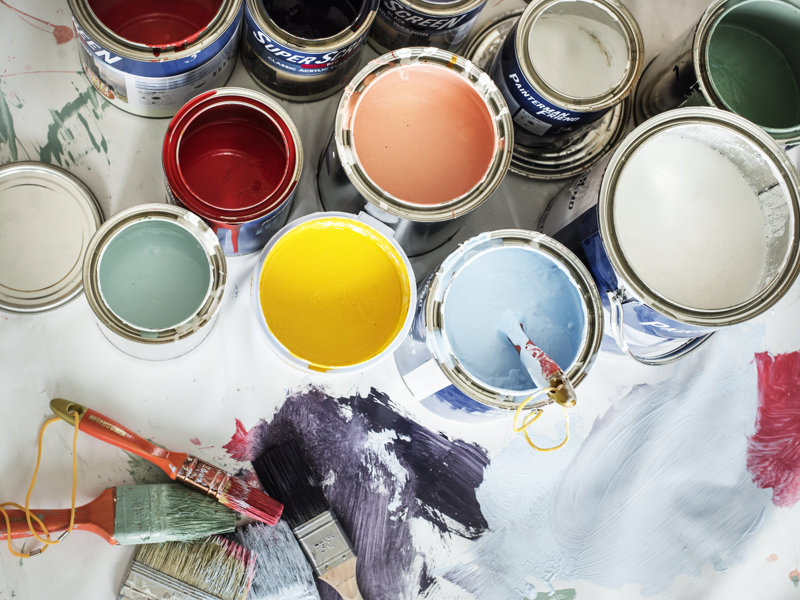
The first step in choosing the right paint is understanding the material of your furniture, as different materials require different types of paint.
Wooden Furniture: For wood, oil-based paints or acrylic paints are ideal. Oil-based paints offer a smooth, durable finish, while acrylic paints dry quickly and are less toxic. For best results, apply a primer before painting.
Metal Furniture: Metal pieces need paint designed to prevent rust and provide a smooth, long-lasting finish. Enamel paints or rust-resistant coatings are excellent for metal furniture. Be sure to clean and prepare the metal surface properly to avoid peeling.
Plastic Furniture: For plastic furniture, use spray paints specifically made for plastic surfaces. These contain special adhesives that bond well with the non-porous material to prevent chipping or peeling.
2. Choose the Right Paint Finish
The type of finish you select will affect both the look and the durability of your furniture.

Matte Finish: A matte or flat finish has no shine, giving furniture a soft, sophisticated look. It’s perfect for creating a vintage or rustic vibe, but it’s more prone to dirt and scratches.
Glossy Finish: Glossy finishes are reflective and create a sleek, modern look. They’re easy to clean and highly durable, making them ideal for furniture that gets heavy use, such as tables and chairs. However, they can highlight surface imperfections.
Satin Finish: Satin finishes are a balanced choice, offering a soft sheen that’s more durable than matte but not as reflective as glossy finishes. Satin is ideal for most types of furniture because it’s easy to maintain and provides a smooth, elegant look.
3. Consider the Function of the Furniture
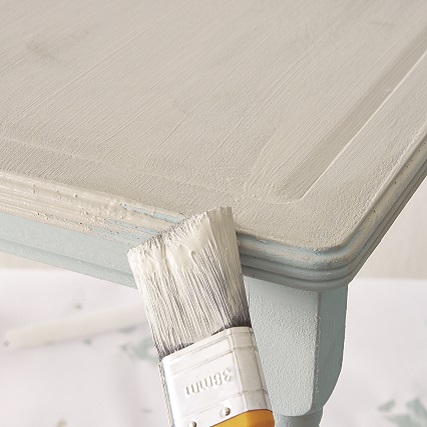
The way you use the furniture should influence your paint choice. For high-traffic furniture, durability is key, while decorative pieces may not need as much protection.
Furniture for Heavy Use: For furniture that sees a lot of use, such as dining tables, chairs, or desks, opt for durable paints like oil-based or enamel paints. These paints provide a hard finish that can withstand frequent use, cleaning, and handling.
Decorative Furniture: For decorative pieces, such as accent tables or bookshelves, you can use paints that offer a more decorative finish, like chalk paints. These give a vintage look and are perfect for pieces that aren’t subjected to heavy wear.
4. Match the Paint Color to Your Room
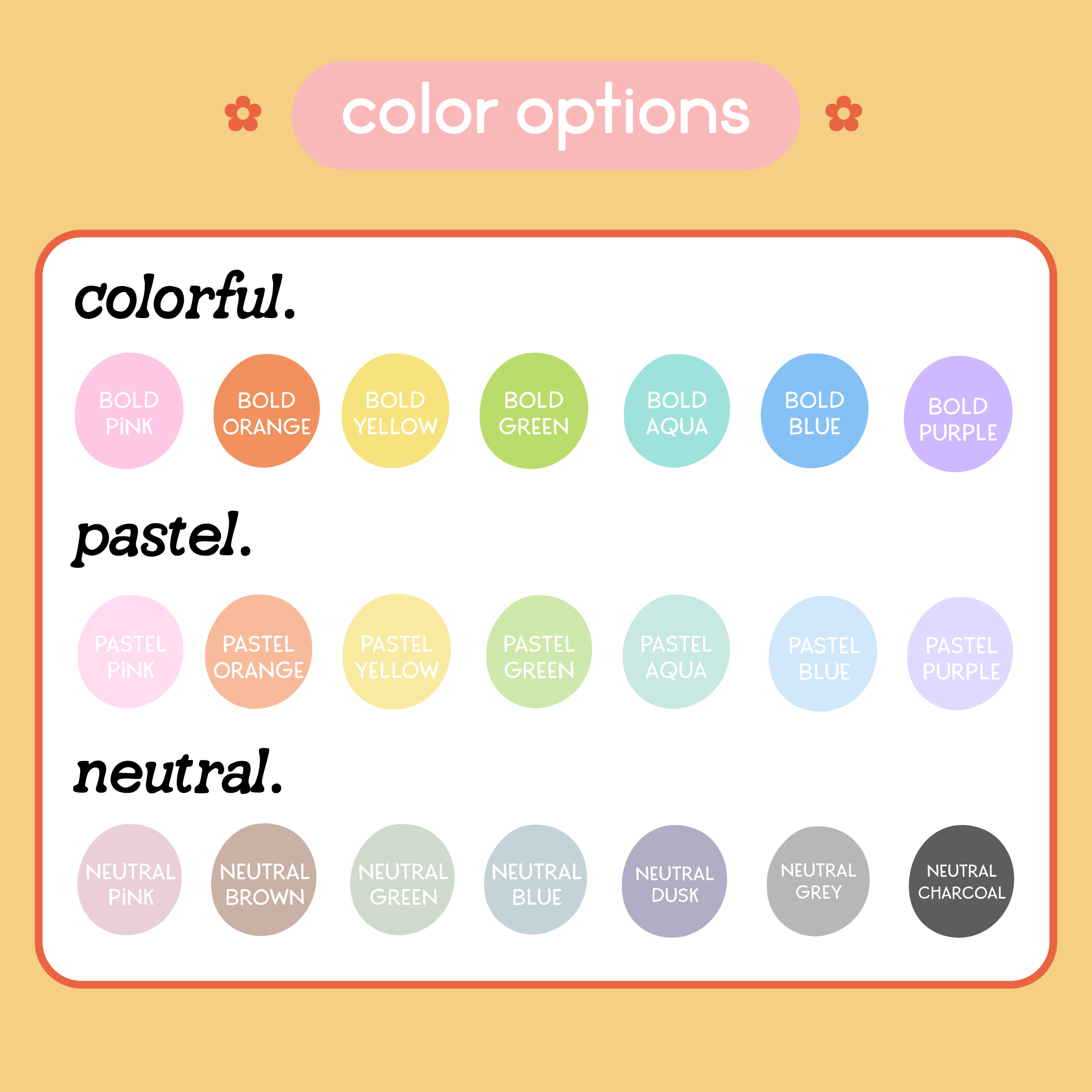
Choosing a paint color that complements the overall aesthetic of your room is crucial. The right color will either blend in seamlessly or become a statement piece.
Neutral Colors: Whites, grays, and beige are versatile, timeless, and easily fit with any decor. They work well with both modern and traditional furniture styles.
Bold Colors: If you want your furniture to stand out, choose bold colors like deep blues, greens, or reds. These vibrant hues can create a focal point in the room, especially in eclectic or contemporary interiors.
Pastels: Soft pastel colors, such as light blues, mints, or pale pinks, create a calming atmosphere and work well in bedrooms, bathrooms, or children’s rooms.
5. Ensure Durability

Durability is an important consideration, especially for furniture exposed to sunlight, moisture, or heavy use.
UV Protection: If your furniture will be in direct sunlight, choose paints with UV protection. UV-resistant paints prevent fading, ensuring your furniture stays vibrant longer.
Water Resistance: For furniture in damp areas like kitchens or bathrooms, opt for water-resistant paints. Enamel or oil-based paints are ideal for these environments because they can withstand moisture without damage.
6. Surface Preparation

Proper preparation of the furniture’s surface is essential for a smooth, flawless finish. This step ensures that the paint adheres well and lasts longer.
Cleaning: Clean the surface thoroughly to remove dirt, grease, and grime. Use a mild detergent and let the surface dry completely before painting.
Sanding: Sand the surface lightly, especially if it’s glossy or uneven, to create a rough texture that helps the paint adhere better.
Priming: Apply a primer on wood or metal surfaces to seal the material and improve paint adhesion. Priming also prevents stains or imperfections from bleeding through the paint.
Conclusion
Choosing the right paint for your furniture involves more than just picking a color—it requires understanding the material, selecting the appropriate finish, and considering the functionality of the piece. By choosing the right type of paint for your furniture’s needs, you can achieve a beautiful and durable result that enhances the overall aesthetic of your home. Whether you’re updating old pieces or creating new statement furniture, these tips will help guide you to the perfect paint choice for your project.