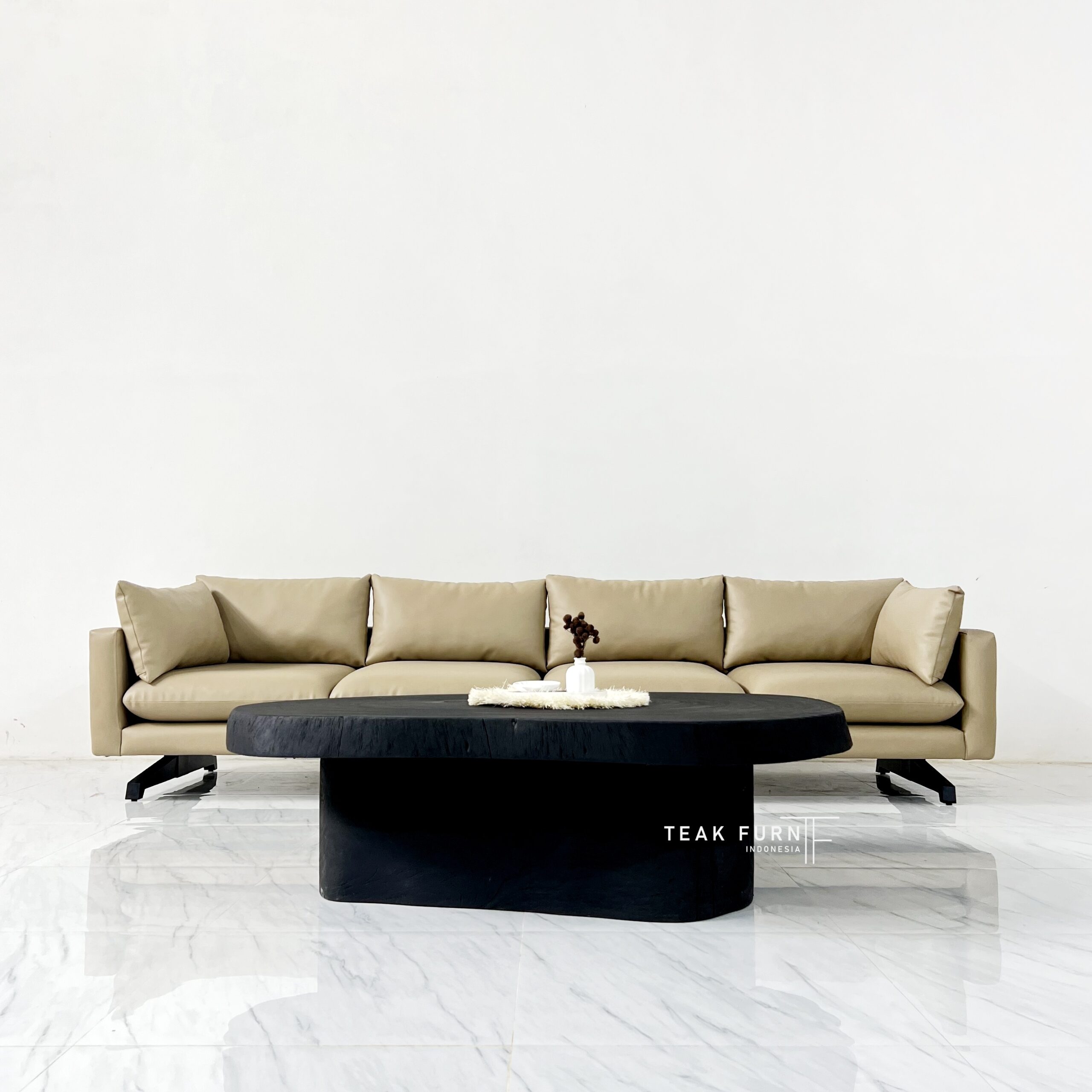
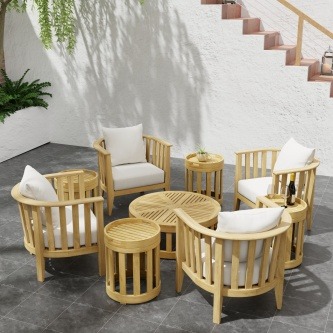
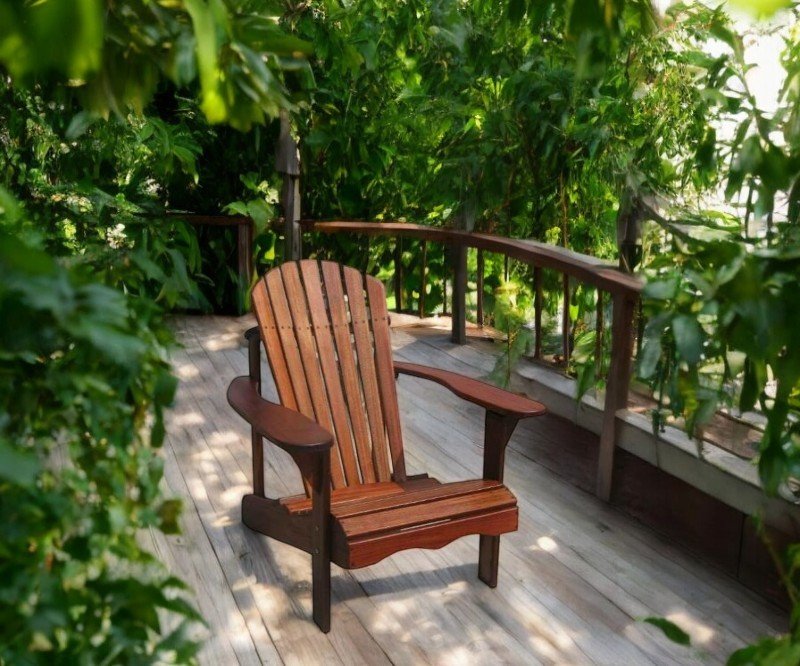
Jepara, a small coastal town in Central Java, Indonesia, has become synonymous with high-quality furniture. Its reputation as a global leader in furniture production is built on centuries of craftsmanship, access to superior materials, and a commitment to innovation. In this article, we explore the key reasons why Jepara is considered the global hub for premium furniture.
1. A Legacy of Craftsmanship

Jepara’s history as a center for furniture-making dates back to the 16th century. The town’s legacy of woodworking and intricate woodcarving has been passed down through generations of skilled artisans. These craftsmen are renowned for their ability to create detailed and decorative carvings, often inspired by nature, traditional Javanese motifs, and Islamic art. The unique craftsmanship of Jepara furniture is a fusion of local cultural heritage and intricate artistry, making it stand out in the global market.
The combination of skilled craftsmanship and traditional techniques gives Jepara furniture its distinct character. Over time, these skills have evolved, integrating modern design principles while maintaining the integrity of traditional methods. This heritage ensures that every piece of Jepara furniture is not just functional but also a work of art.
2. Superior Quality Materials
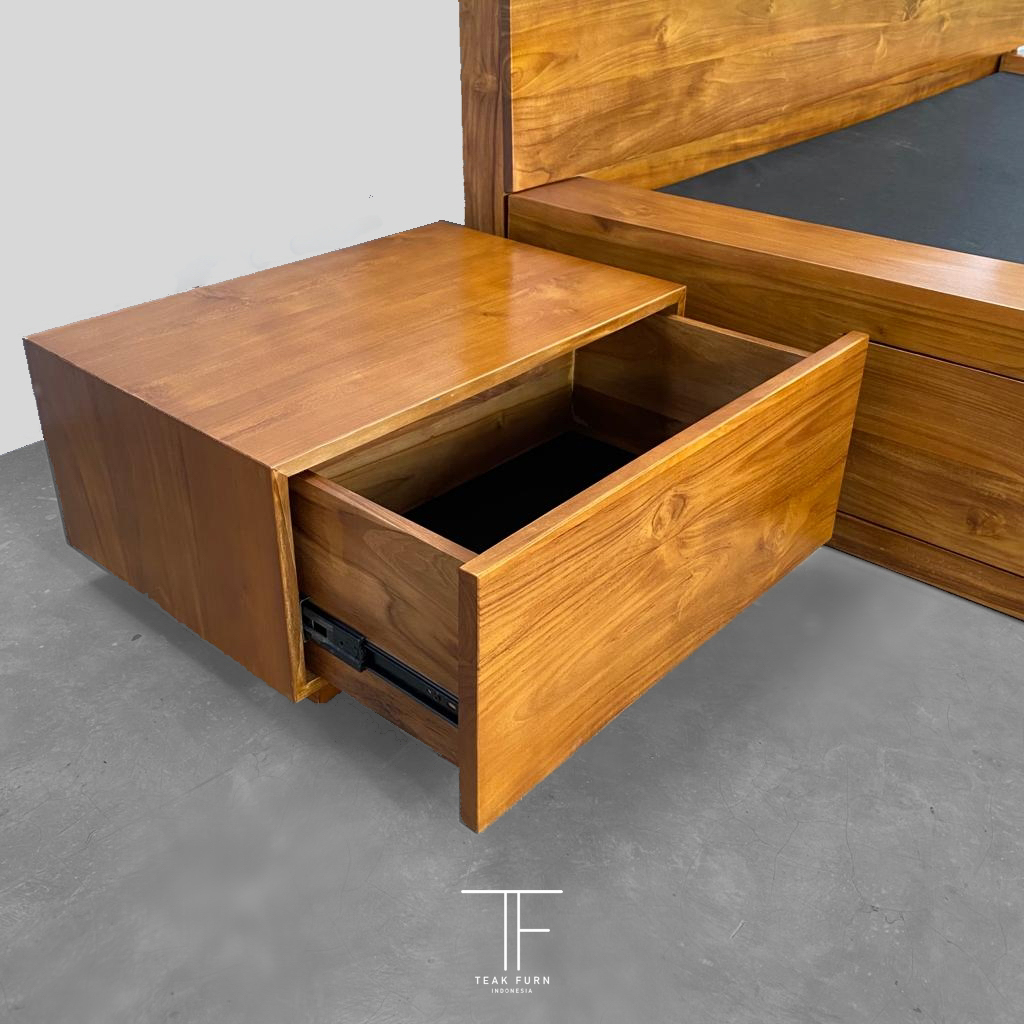
The quality of materials used in Jepara furniture is another reason for its global appeal. Jepara is located in a region abundant with high-quality hardwoods, especially teak and mahogany, two of the most sought-after woods in the furniture industry. Teak is known for its durability and resistance to weathering, making it ideal for outdoor furniture. Mahogany, on the other hand, is prized for its rich color and strong texture, often used in elegant indoor furniture.
The careful selection of premium wood ensures that Jepara furniture is not only beautiful but also long-lasting. Additionally, some manufacturers in Jepara are increasingly turning to reclaimed wood and other eco-friendly materials, appealing to consumers who value sustainability.
3. Skilled Artisans and Innovators

The success of Jepara as a global furniture hub is largely due to its highly skilled artisans. These craftsmen have honed their skills over years, often learning through apprenticeships or family traditions. They are known for their precision in woodcarving and their ability to produce both traditional and contemporary designs.
While many artisans in Jepara specialize in traditional, ornate designs, the region has also embraced modernity. Local artisans are now blending classic techniques with contemporary aesthetics, creating furniture that caters to both traditional and modern tastes. This ability to innovate while staying rooted in tradition allows Jepara furniture to appeal to a wide range of global customers, from those seeking classic luxury to those preferring minimalist modernity.
4. Global Export Hub
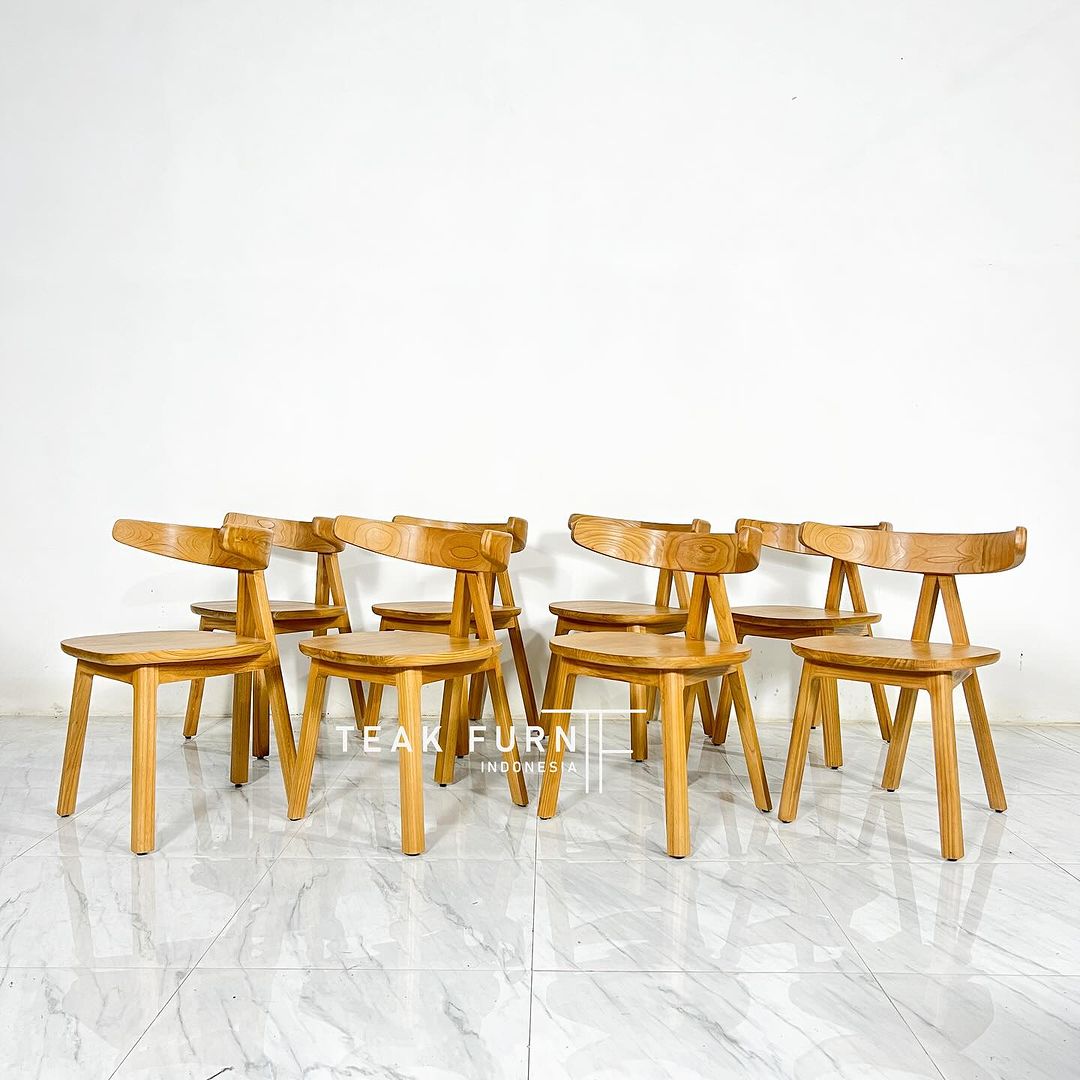
Jepara’s reputation as a leader in the furniture industry extends far beyond Indonesia. Over the years, the town has become an essential exporter of high-quality furniture, with its products reaching markets in Europe, the United States, the Middle East, and Asia. Many international buyers turn to Jepara for its exceptional craftsmanship, unique designs, and competitive prices.
The well-established supply chain in Jepara, from raw material sourcing to the skilled artisans who handcraft the furniture, ensures that the town can meet the growing demand from global markets. Leading international brands have also sought partnerships with manufacturers in Jepara, further boosting its standing in the global furniture industry.
5. Customization and Versatility

Another factor that sets Jepara apart as a global furniture hub is its ability to offer customization and versatility. Whether buyers want traditional designs or modern, minimalist pieces, Jepara craftsmen can deliver high-quality furniture that meets specific needs. The ability to customize furniture ensures that each piece fits perfectly with the buyer’s space and style preferences.
Moreover, Jepara’s diverse range of furniture, from classic designs to contemporary pieces, means that it can cater to a variety of markets, from luxury homes to corporate offices, hotels, and resorts. The versatility of Jepara furniture ensures its widespread appeal, making it a popular choice for both residential and commercial spaces worldwide.
6. Sustainability and Eco-Friendly Practices
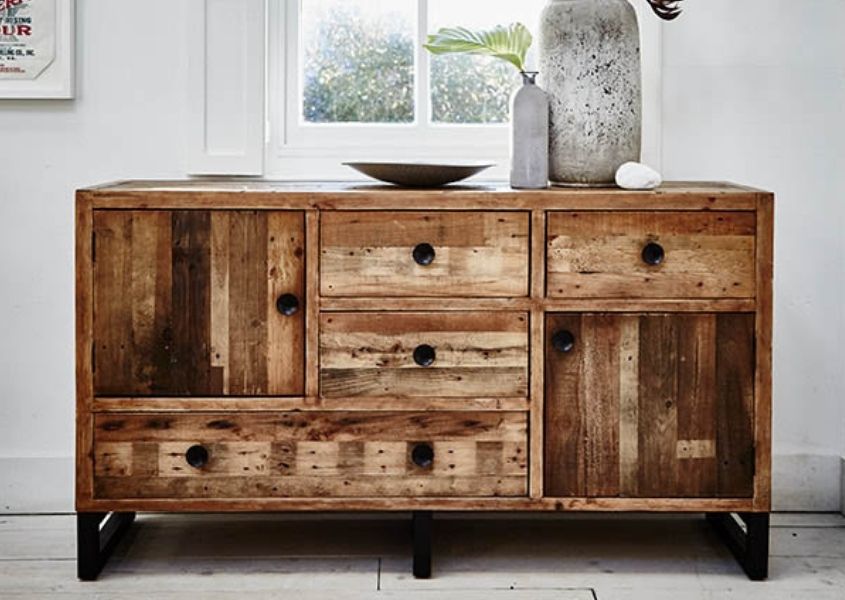
As sustainability becomes increasingly important in the global market, Jepara has responded by adopting more eco-friendly practices in its furniture production. Many local manufacturers are now committed to sourcing wood responsibly, ensuring that materials are harvested from sustainably managed forests. Some have also started using reclaimed wood and other environmentally friendly materials to create unique and eco-conscious furniture.
In addition, efforts are being made to reduce waste and minimize the environmental impact of the production process. This growing commitment to sustainability has helped Jepara appeal to environmentally conscious consumers, further solidifying its reputation as a source of high-quality, eco-friendly furniture.
Conclusion
Jepara’s status as the global hub for quality furniture can be attributed to a combination of factors: a rich heritage of craftsmanship, the use of superior materials, skilled artisans, the ability to cater to global markets, and a growing focus on sustainability. Over the centuries, Jepara has maintained its position as a leader in the furniture industry by staying true to its roots while embracing modern trends. Whether it’s the exquisite woodcarvings, the durability of the materials, or the versatility in design, Jepara continues to produce furniture that meets the highest standards of quality and style. For anyone seeking unique, handcrafted, and high-quality furniture, Jepara remains the undisputed destination.