Mid-century modern furniture is a timeless design style that has remained a favorite among interior enthusiasts for decades. Originating in the mid-20th century, this style emphasizes simplicity, functionality, and the use of innovative materials. If you’re looking to incorporate Mid-Century Modern elements into your home, understanding the key design styles of this era can help you achieve the perfect balance of aesthetics and practicality. Here are five distinct Mid-Century Modern furniture styles that continue to inspire homeowners today.
1. Slim, Tapered Legs for a Light, Airy Feel
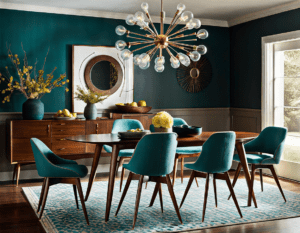
One of the most iconic features of Mid-Century Modern furniture is its use of slim, tapered legs. Chairs, sofas, and tables often feature wooden legs that elevate the furniture off the ground, creating a sense of lightness and space in a room. This design element was influenced by the desire to make interiors feel more open and airy, especially in small living spaces.
These tapered legs are typically crafted from warm, natural woods such as teak, oak, or walnut, which not only offer durability but also add a touch of organic elegance to the space. The raised design allows for easier cleaning underneath furniture, a practical feature that was especially appreciated in the era’s modernist homes.
2. Geometric Shapes and Clean Lines

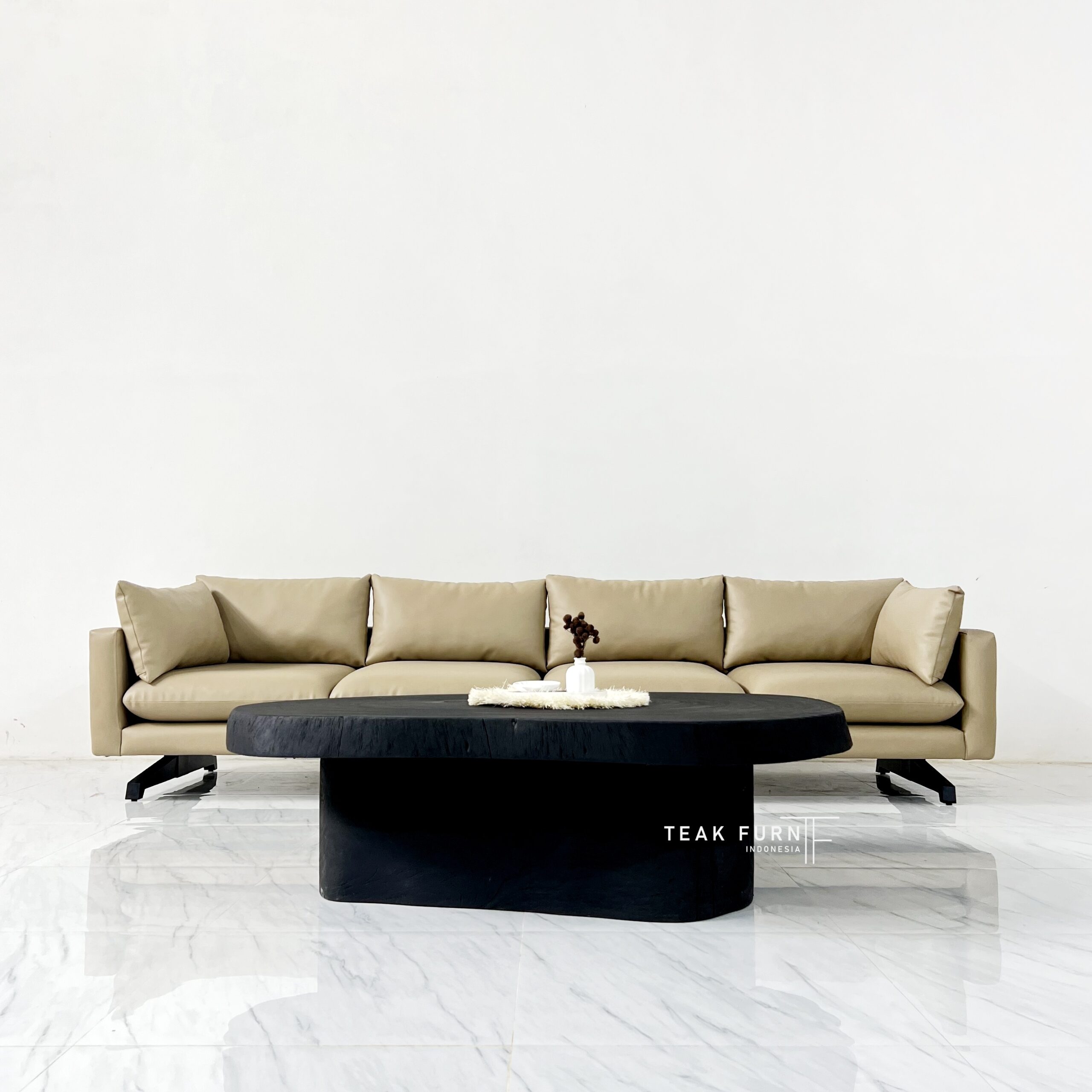
Another hallmark of Mid-Century Modern furniture is the emphasis on geometric shapes and clean lines. Whether it’s a sleek coffee table, a minimalist bookshelf, or a stylish armchair, the pieces often feature simple, yet striking shapes like squares, rectangles, circles, and ovals. These geometrically inspired forms offer a sense of order and sophistication while avoiding unnecessary ornamentation.
For example, a typical Mid-Century Modern sofa may feature a straight, low-profile silhouette with square arms, while a dining table could have a smooth, circular top paired with minimalist, straight legs. The streamlined design emphasizes functionality, offering a contemporary look that complements the modern lifestyle.
3. Use of Innovative Materials

Mid-Century Modern furniture is also known for the innovative use of materials. While wood remains a primary material, the period saw the introduction of new materials like fiberglass, chrome, and molded plastic. These materials were used to create furniture pieces that were not only visually striking but also durable and practical.
For instance, iconic pieces like the Eames lounge chair feature molded plywood combined with leather cushions, showcasing both comfort and style. The use of fiberglass in furniture, such as Eames chairs or Tulip tables by Eero Saarinen, created a futuristic look that was both lightweight and durable. These innovative materials allowed designers to push the boundaries of furniture design while maintaining an emphasis on functionality.
4. Multifunctional Furniture Pieces

Mid-Century Modern furniture was designed with versatility in mind, particularly for the modern homeowner looking to maximize space. As open floor plans became more popular and living spaces shrank, multifunctional furniture pieces became increasingly important.
For example, a Mid-Century Modern sofa might feature a modular design, allowing sections to be rearranged based on the user’s needs. Similarly, dining tables that could also serve as desks, or wall-mounted shelves that offered storage without taking up floor space, became staples in homes. The practical and adaptable nature of these furniture pieces made them ideal for small apartments or homes where space optimization was key.
5. Bold Colors and Contrasting Textures

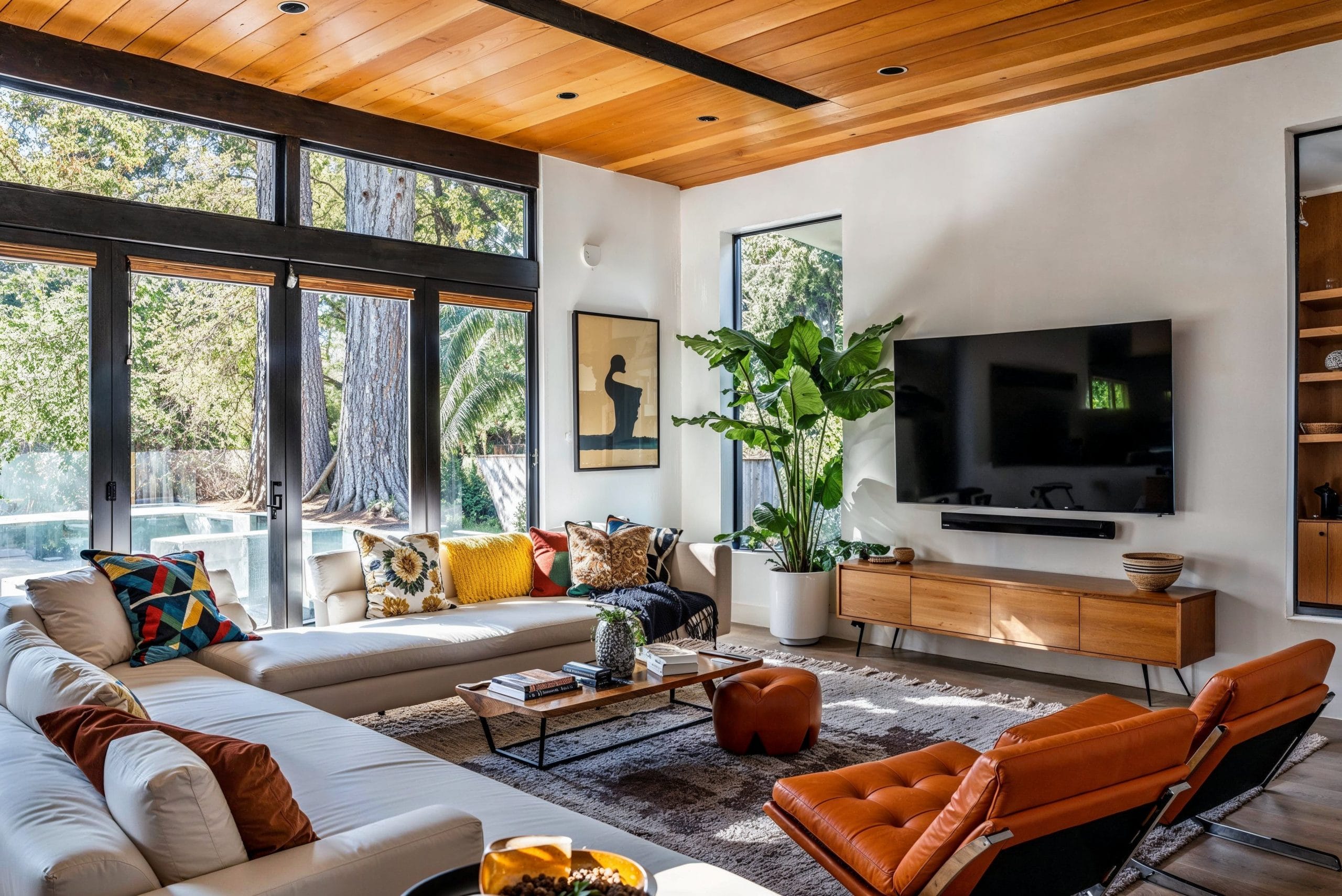
While Mid-Century Modern furniture often maintains a neutral base, the addition of bold colors and contrasting textures adds vibrancy and interest to the space. During this period, designers embraced bright and unconventional colors like mustard yellow, teal, orange, and olive green. These colors were often used for upholstery or accent pieces such as cushions, rugs, and curtains.
The contrast between different materials and colors also played a crucial role in Mid-Century Modern design. For instance, a wooden coffee table with a lacquered finish might be paired with a vibrant fabric on a lounge chair, creating an inviting and dynamic look. This combination of materials and colors brought warmth and personality to modern interiors, making them both visually striking and comfortable.
Conclusion: Timeless Appeal of Mid-Century Modern Furniture
Mid-Century Modern furniture remains one of the most sought-after design styles for homeowners and interior designers alike. Its combination of sleek, functional designs, innovative materials, and bold color choices ensures that these pieces continue to elevate any space. Whether you’re outfitting your living room with a retro-inspired sofa or incorporating a geometric coffee table into your dining area, Mid-Century Modern furniture can provide both form and function, making it a perfect choice for modern homes.
By embracing key elements such as tapered legs, geometric shapes, multifunctional designs, and a mix of materials and colors, you can easily incorporate Mid-Century Modern furniture into your home, creating a stylish, inviting space that feels both timeless and contemporary.