In today’s eco-conscious world, sustainability is no longer a trend—it’s a necessity. This is particularly true in industries like furniture making, where the sourcing of materials can have a profound impact on the environment. Among these materials, teak wood stands out as one of the most prized woods for high-end furniture due to its durability, natural beauty, and resilience. However, with the growing demand for teak, it’s crucial to ensure that the sourcing of this wood is sustainable. This article will explore the importance of sustainable teak wood sourcing, its benefits, and the practices that ensure responsible harvesting to preserve this valuable resource.
The Allure of Teak Wood
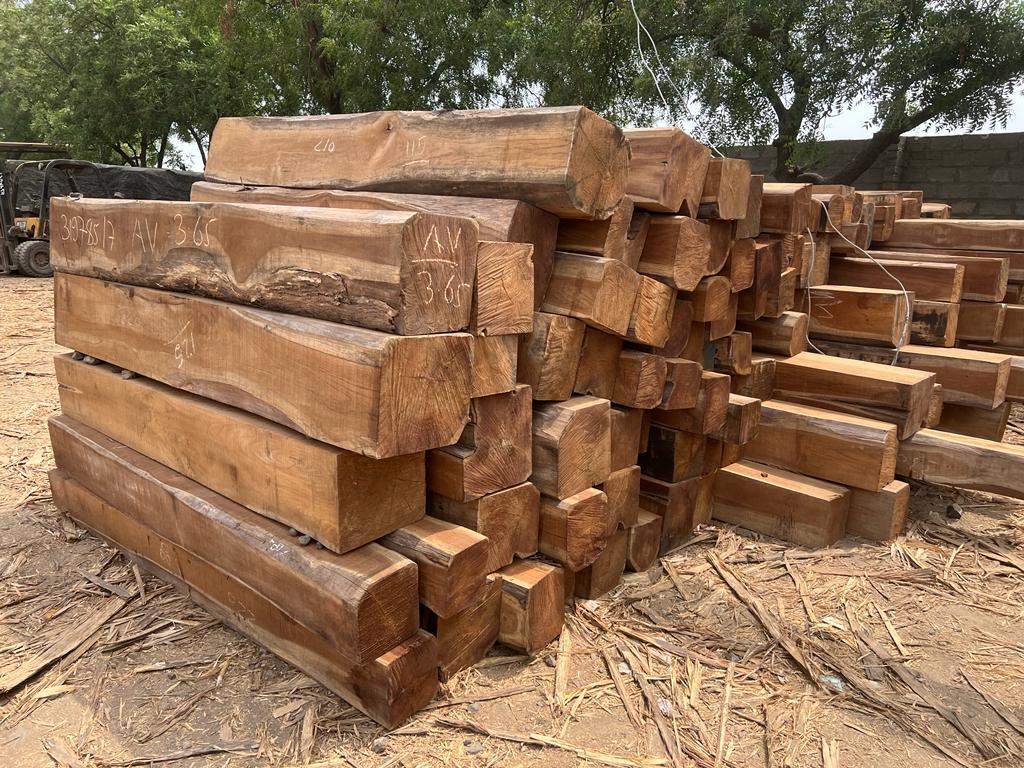
Teak wood, scientifically known as Tectona grandis, is renowned for its rich golden hue, dense grain, and exceptional durability. These qualities make it an ideal choice for crafting luxury furniture, outdoor pieces, and even boat decks. However, the popularity of teak has led to overharvesting and deforestation, especially in countries where the trees are native, such as Myanmar, Indonesia, and Thailand. As a result, many manufacturers have begun to seek alternative, sustainable sources to meet the growing demand while protecting the environment.
The Importance of Sustainable Sourcing

Sustainable sourcing refers to the practice of acquiring materials in a way that ensures their availability for future generations while minimizing environmental impact. In the case of teak wood, this involves ensuring that the trees are grown and harvested responsibly, with minimal disruption to ecosystems and communities. The need for sustainable sourcing has become critical for several reasons:
- Environmental Protection: Uncontrolled deforestation leads to loss of biodiversity, soil erosion, and negative climate impacts. Sustainable practices, such as selective harvesting and reforestation, help preserve forests and the wildlife that depend on them.
- Social Responsibility: Many teak-producing regions are home to vulnerable communities. Sustainable sourcing ensures that workers are treated fairly, receive adequate wages, and work in safe conditions. Moreover, it contributes to the economic stability of local economies through responsible forestry practices.Long-Term
- Availability: By maintaining healthy forests and promoting responsible harvesting, sustainable sourcing ensures that teak remains available for future generations. This is especially important for industries like furniture making, where teak is a preferred material for high-end designs due to its durability and aesthetic appeal.
Best Practices for Sustainable Teak Sourcing

Several practices ensure the sustainability of teak wood, from forest management to manufacturing processes. Here are some of the most widely recognized strategies in the industry:
1. Certification by Sustainable Forestry Organizations
One of the most effective ways to ensure sustainable sourcing is through certification programs. The Forest Stewardship Council (FSC) is one of the most well-known organizations that certifies wood products that come from responsibly managed forests. Teak sourced from FSC-certified forests is harvested in accordance with strict environmental, social, and economic criteria, ensuring that the timber is both sustainable and ethical.
2. Selective Harvesting
Selective harvesting is a method where only mature teak trees are cut down, while younger trees are left to grow. This helps maintain the ecological balance of the forest and ensures that the overall health of the ecosystem is not compromised. It also allows for the regeneration of the forest, as young trees continue to thrive.
3. Agroforestry and Reforestation Initiatives
Agroforestry is a practice that integrates tree planting with agricultural activities. This not only provides income for farmers but also helps restore degraded land and maintain biodiversity. In addition, reforestation initiatives play a crucial role in replenishing teak forests that have been overharvested. These initiatives focus on planting teak saplings to ensure a continuous supply of wood while regenerating the forest ecosystem.
4. Traceability and Transparency
To further ensure the sustainability of teak wood, some companies have adopted systems that trace the origin of the wood from the forest to the finished product. This transparency allows consumers to verify that the wood they are purchasing has been ethically sourced, offering greater peace of mind to environmentally conscious buyers.
5. Sustainable Manufacturing Practices
Once sustainably sourced teak is harvested, it’s essential to continue sustainable practices through the manufacturing process. This includes minimizing waste, reducing the carbon footprint during production, and using eco-friendly finishes and coatings. Many luxury furniture makers now prioritize using low-VOC paints and finishes that are not harmful to the environment or human health.
The Benefits of Sustainable Teak Wood for High-End Furniture

Investing in sustainably sourced teak wood for high-end furniture comes with numerous benefits. These benefits extend beyond the environmental advantages, impacting both manufacturers and consumers.
1. Longevity and Durability
Teak wood is naturally resistant to water, insects, and decay, which makes it perfect for outdoor furniture. Sustainably harvested teak maintains these qualities, ensuring that luxury pieces last for generations. This durability not only makes teak furniture a sound investment but also reduces the need for frequent replacements, contributing to less waste.
2. Aesthetic Appeal
Teak wood’s rich, warm tones and smooth finish make it highly sought after for furniture design. Sustainable sourcing ensures that this high-quality wood is available for creating beautiful, timeless pieces that retain their appeal over time.
3. Eco-Conscious Luxury
For today’s discerning buyers, sustainability is an important consideration when purchasing luxury items. Choosing high-end furniture made from sustainably sourced teak allows consumers to indulge in luxury without compromising their environmental values.
Conclusion
Sustainable sourcing of teak wood is essential for preserving the planet’s forests while meeting the demands of high-end furniture makers and their customers. By adopting responsible practices like selective harvesting, agroforestry, and FSC certification, manufacturers can ensure that teak remains a viable and environmentally friendly material for years to come. As the global demand for eco-conscious products continues to rise, the furniture industry must prioritize sustainability, creating a positive impact on both the environment and society.