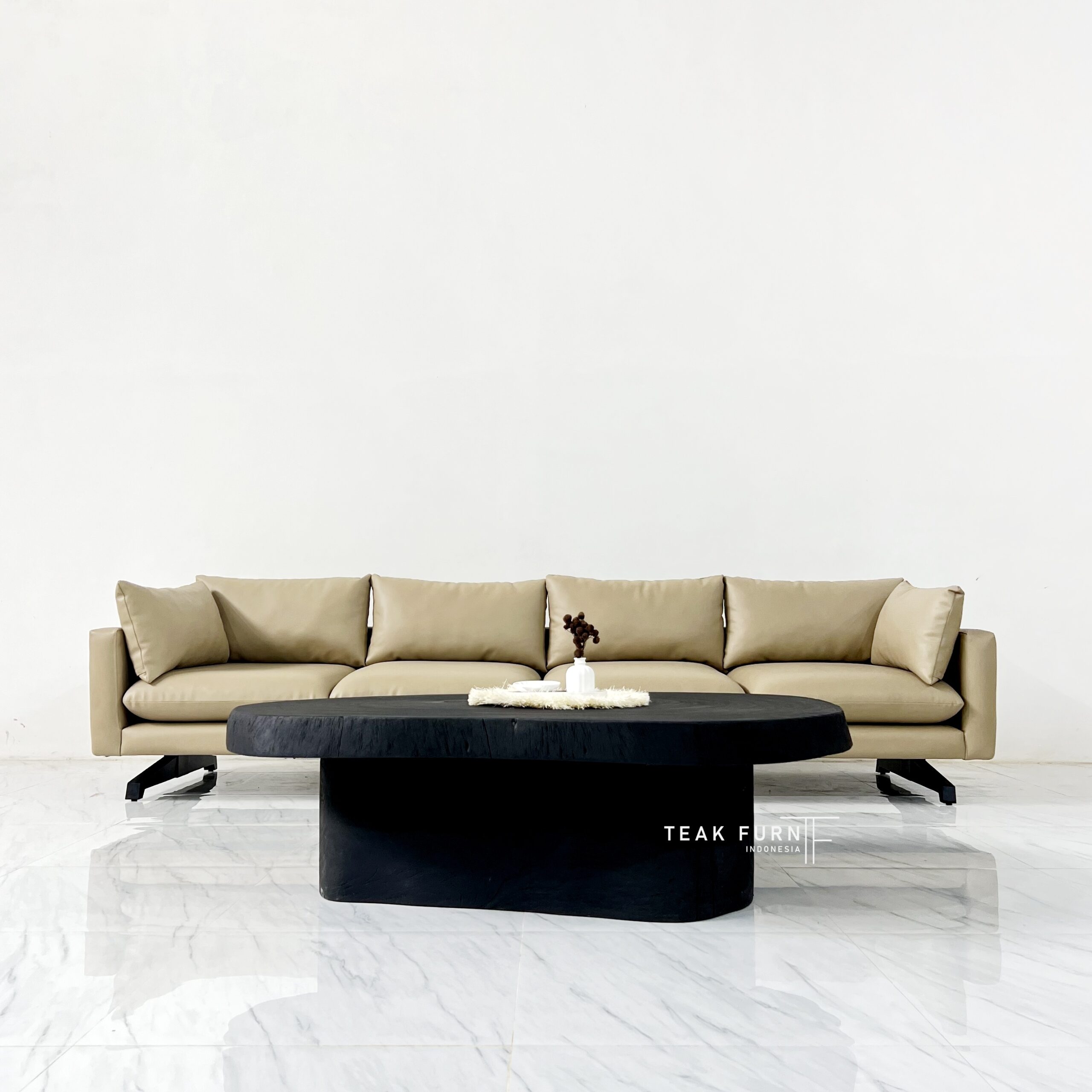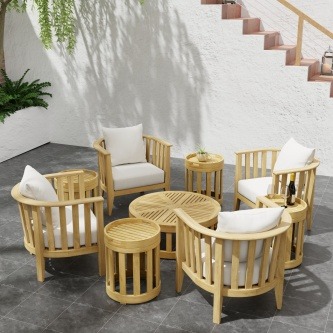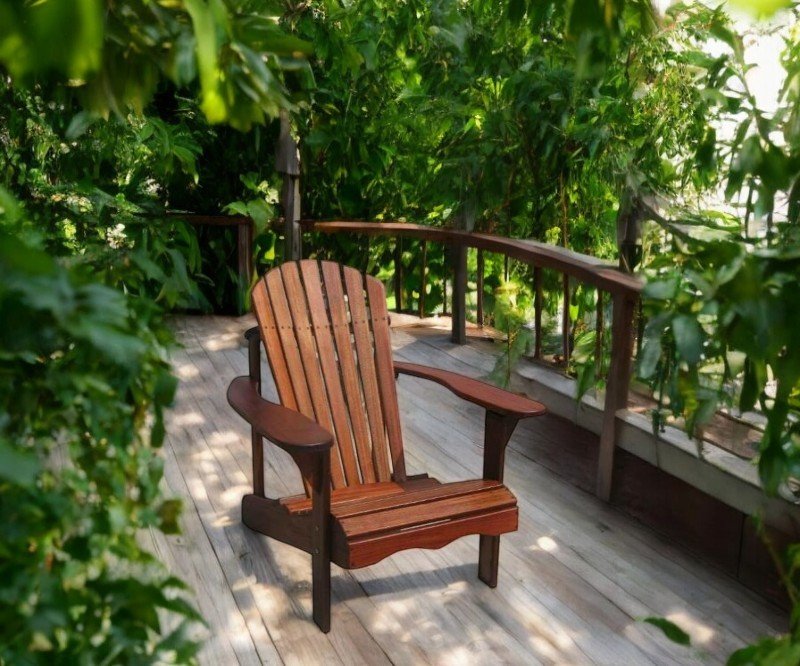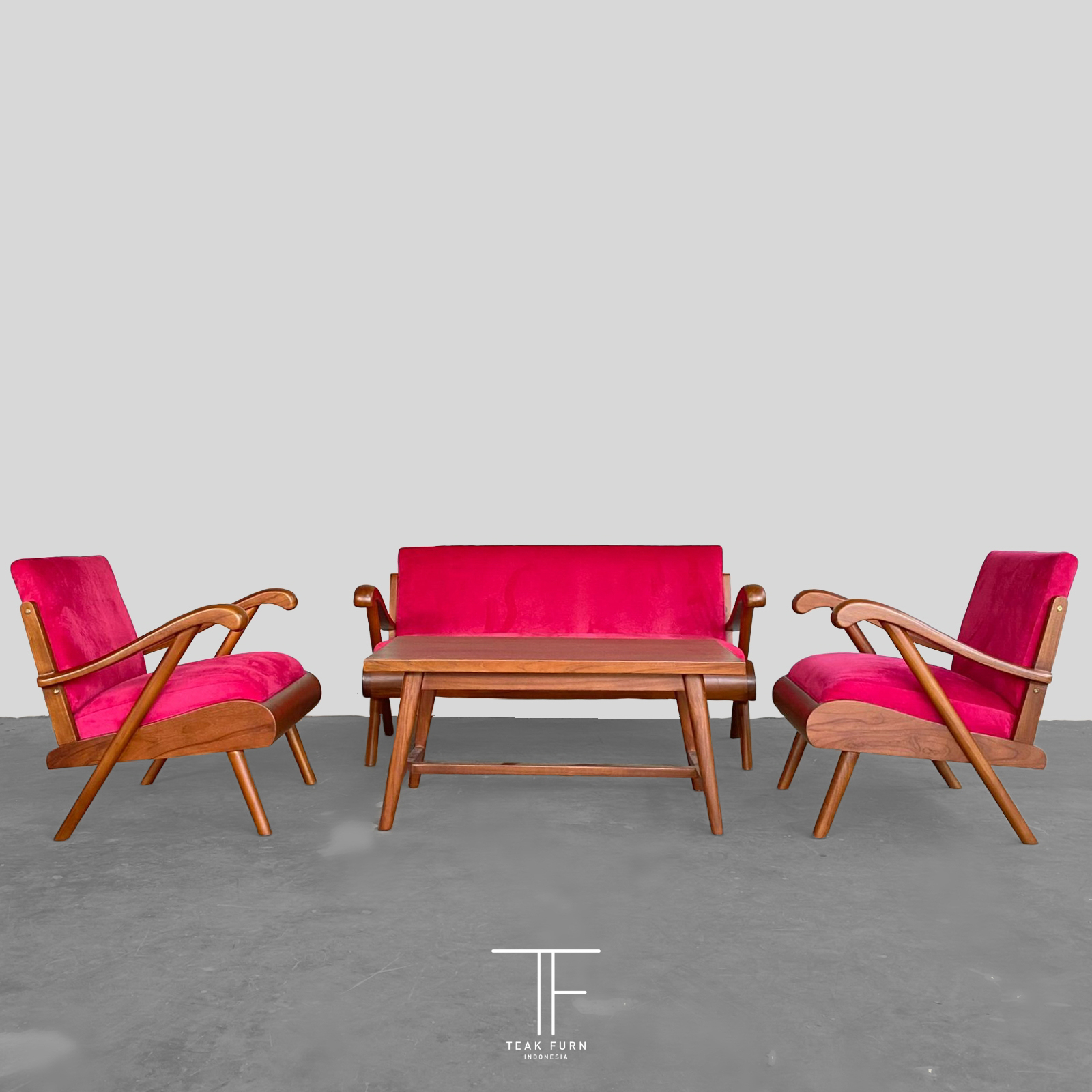
As environmental awareness grows globally, the furniture industry has increasingly embraced sustainability. One of the standout examples is eco-friendly furniture from Jepara, a city in Central Java, Indonesia, renowned for its fine wood craftsmanship. Jepara is now blending traditional artistry with eco-conscious production methods, offering high-quality furniture that minimizes environmental impact while supporting sustainable practices.
Jepara: A Legacy of Sustainable Wood Craft
Jepara has long been the heart of Indonesia’s furniture industry, famous for its intricate wood carvings and classic designs. In recent years, artisans in Jepara have adapted their craft to meet growing demands for eco-friendly products. This shift focuses on reducing environmental harm, from responsibly sourced materials to more efficient, cleaner production methods.
Eco-friendly furniture from Jepara adheres to the principles of sustainability, helping preserve natural resources and reduce waste. By supporting local artisans and choosing eco-conscious furniture, consumers contribute to a more sustainable future while enjoying the beauty of traditional craftsmanship.
1. Sustainable Materials: Wood from Renewed Sources

The key to eco-friendly furniture from Jepara lies in the careful selection of materials. Many artisans use wood from well-managed forests or recycled wood to reduce the environmental impact. Wood sourced from sustainable plantations, such as teak or acacia, ensures that furniture production does not contribute to deforestation. These species are chosen for their durability and low environmental impact, making them perfect for long-lasting, eco-friendly furniture.
Teak, in particular, is highly valued for its strength and resistance to pests, making it a popular choice for sustainable furniture. Many Jepara artisans use teak from certified sustainable sources, ensuring that production supports responsible forest management.
2. Eco-Conscious Production Techniques

The production process is another important aspect of eco-friendly furniture. In Jepara, many artisans have adopted environmentally friendly methods to reduce their carbon footprint. Solar energy is being used in some workshops to power machinery, cutting down on fossil fuel consumption. Additionally, many craftspeople avoid toxic chemicals by using water-based paints and natural finishes like linseed oil. These non-toxic alternatives are safer for both workers and consumers, and they reduce air pollution and harmful emissions.
These sustainable production practices not only reduce environmental impact but also contribute to the creation of healthier living spaces. Eco-friendly furniture from Jepara is made with the health and well-being of both the planet and people in mind.
3. Durability and Multi-Functionality

Sustainability in Jepara’s furniture also extends to its design. Many pieces are made to be durable and versatile, minimizing the need for frequent replacements. Modular furniture designs, for example, allow consumers to adapt and reconfigure pieces based on their needs, reducing the demand for new furniture over time.
Jepara furniture is known for its longevity. With proper care, pieces can last for decades, which makes it a more sustainable choice compared to cheaper, mass-produced items. This durability reduces waste and minimizes the need to purchase new furniture frequently, making Jepara furniture a cost-effective option in the long run.
4. Supporting Local Economies and Preserving Craftsmanship

By focusing on sustainable materials and traditional craftsmanship, eco-friendly furniture from Jepara supports the local economy. Many artisans continue to use techniques passed down through generations, helping preserve cultural heritage while providing eco-friendly products. This also creates jobs and supports small businesses in Jepara, allowing the local community to thrive.
The growing global demand for sustainable products has opened up international markets for Jepara’s furniture. As consumers worldwide seek environmentally conscious options, Jepara’s furniture is gaining recognition for its quality, craftsmanship, and commitment to sustainability.
Conclusion: Smart, Sustainable Choices for Your Home
Eco-friendly furniture from Jepara offers a perfect blend of traditional craftsmanship, sustainability, and modern design. By choosing Jepara’s eco-conscious furniture, consumers not only enhance the beauty of their homes but also contribute to a greener future. With its use of renewable materials, energy-efficient production techniques, and durable designs, Jepara furniture provides a sustainable solution for those looking to make environmentally responsible choices in their home decor.
Jepara’s eco-friendly furniture represents a step towards a more sustainable world, where craftsmanship and environmental consciousness go hand in hand. Choosing furniture from Jepara is an investment in quality, culture, and the future of our planet.